Understanding Digital HR Portals for Workplace Learning and Access
Disclaimer: This post is for educational and informational purposes only and does not provide financial advice or investment guidance.
Introduction
Digital HR portals have become common tools for organizing workplace information, schedules, and internal learning resources. Platforms similar to Kaiser’s internal systems are often referenced as examples of how large organizations structure access to employee-related information. This post provides an educational overview of such platforms, explaining how registration typically works, how navigation is structured, and how users interact with informational features. The goal is to help readers understand the general logic behind these systems, not to promote or encourage their use.
What a Digital HR Portal Is
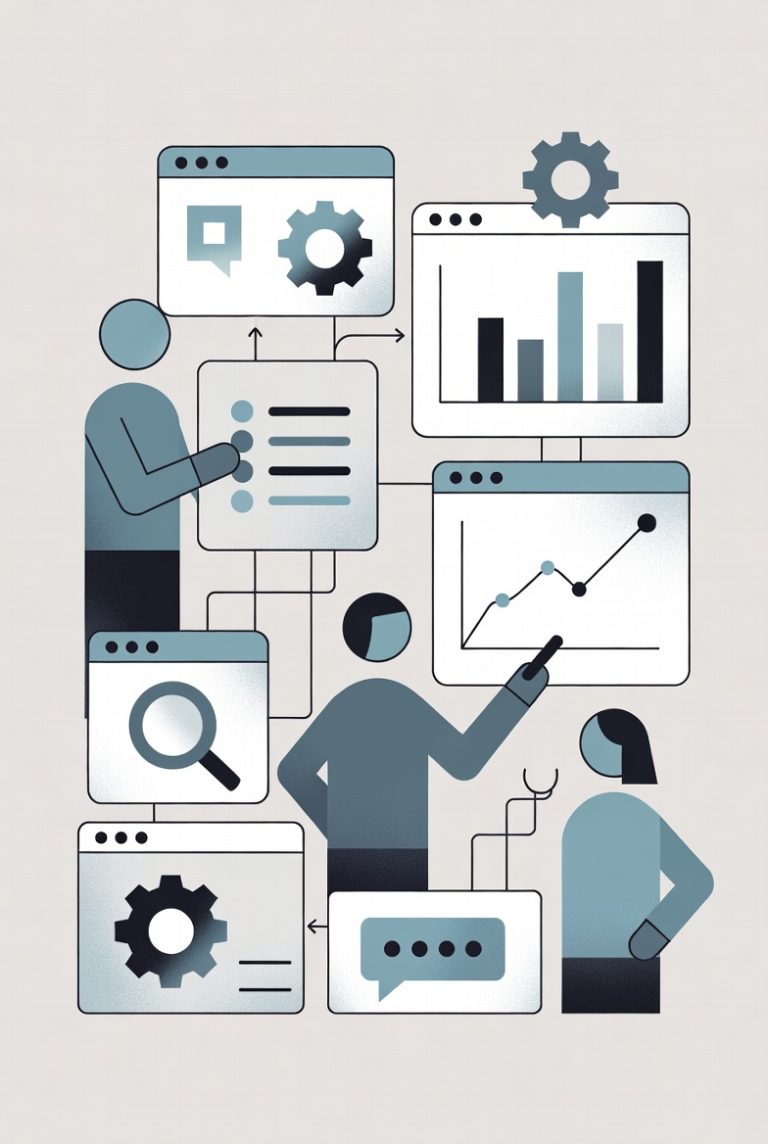
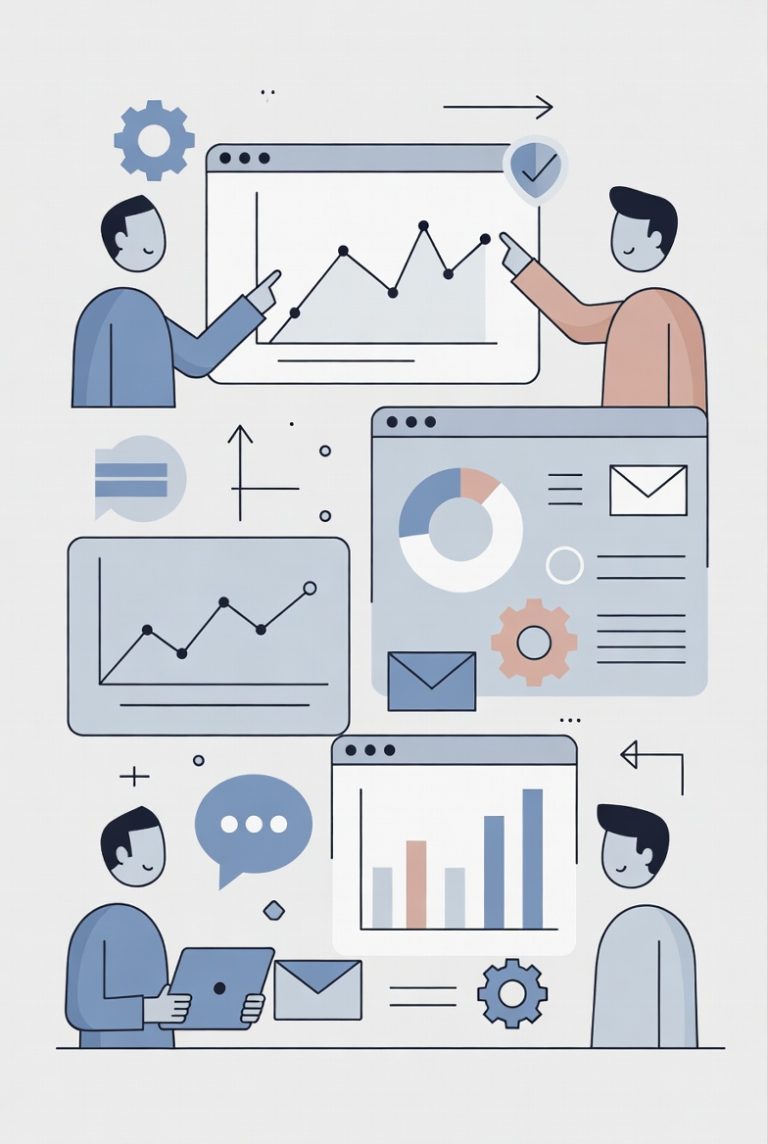
A digital HR portal is an internal web-based environment designed to centralize employment-related information. These platforms often combine schedules, policy documents, learning materials, and internal updates in one interface. Terms like hr connect or hrconnect are commonly used to describe this category of systems, reflecting their role as connection points between organizations and users.
Unlike public websites, these portals usually require identity verification before access is granted. Their structure prioritizes clarity, role-based navigation, and secure presentation of information.
Typical Registration and Access Flow
While implementations differ, most platforms follow a similar access process:
- Identity Verification
Users are required to confirm their identity through predefined credentials provided by the organization. This step ensures that access remains limited to authorized individuals. - Initial Account Setup
After verification, users may be asked to review basic profile information and acknowledge usage policies. This step is informational rather than transactional. - Dashboard Entry
Once access is granted, users are directed to a dashboard that summarizes available sections, such as schedules, learning resources, and announcements.
This process is designed to be instructional and guided, reducing confusion for first-time users.
Navigation and Interface Structure
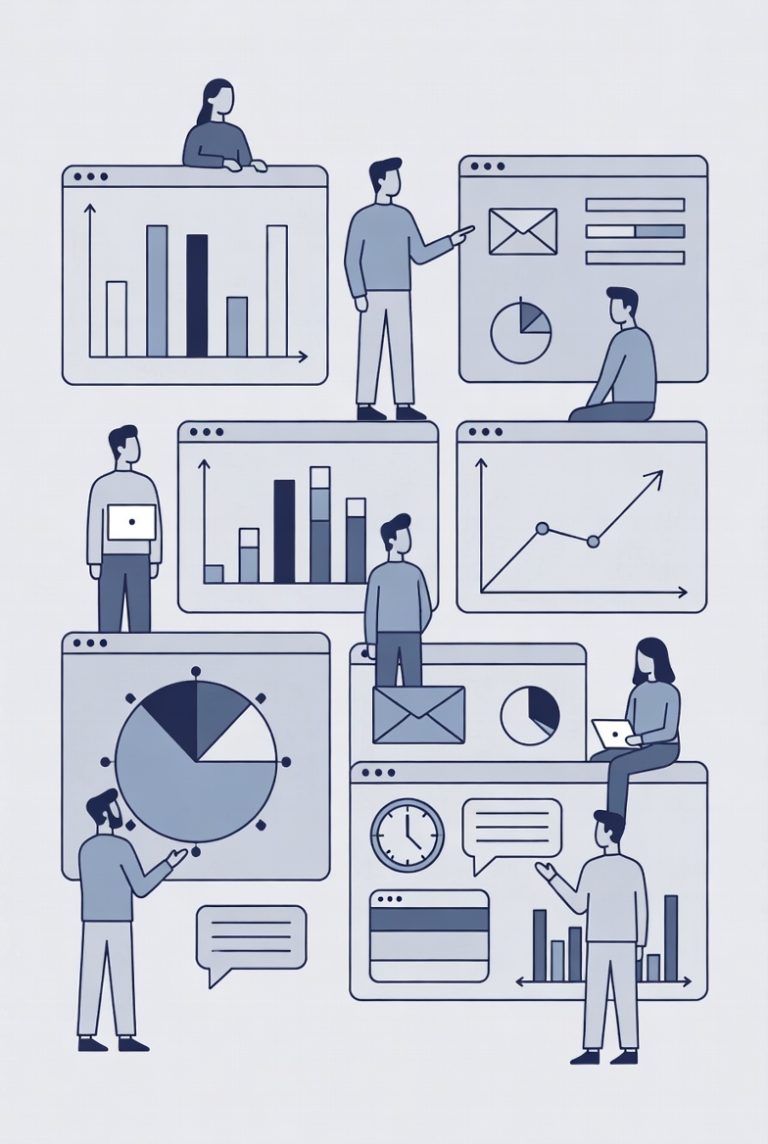
Most HR portals rely on modular layouts. The main navigation is often located at the top or side of the interface, grouping content into clearly labeled sections. For example, schedule-related areas may appear under labels similar to kp schedule or kpschedule, indicating time-based or shift-related information.
Educational sections typically include:
- Policy explanations presented in plain language
- Internal learning or onboarding materials
- Updates related to organizational processes
The interface usually avoids unnecessary visual complexity, focusing instead on readability and logical flow.
Educational Value of HR Portals
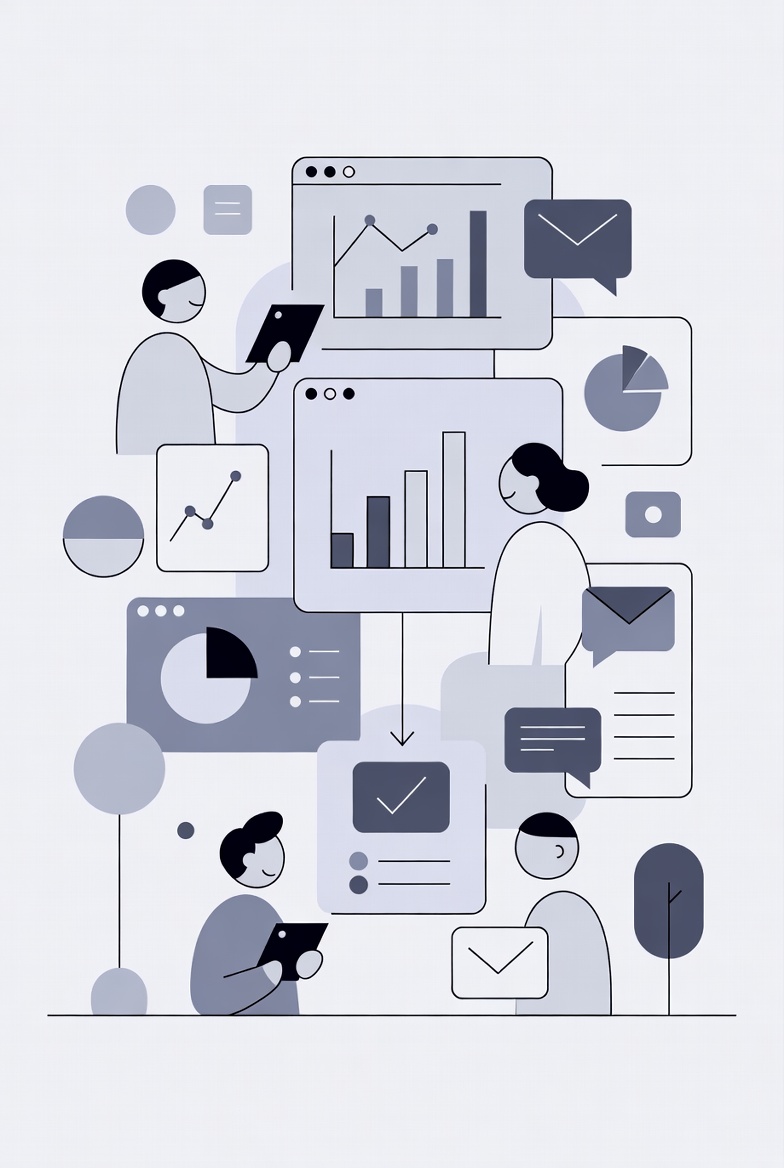
From an informational perspective, these platforms demonstrate how large organizations manage structured communication. Observing systems like Kaiser’s internal portal allows learners to understand best practices in content hierarchy, access control, and usability. When compared with other neutral digital services, HR portals tend to emphasize consistency and clarity over customization.
This makes them useful reference models for those studying digital workplace design or internal communication systems.
Conclusion
Digital HR portals serve as centralized environments for information, schedules, and learning materials. By examining their general structure, access flow, and navigation principles, readers can gain insight into how such platforms are designed for clarity and controlled access. This overview focuses solely on educational understanding and does not evaluate or promote any specific system.
Disclaimer: This post is for educational and informational purposes only and does not provide financial advice or investment guidance.